Background
With about 380,000 species on Earth, plants are complex and fascinating organisms. Just like animals, they have very specific conditions and factors (both biotic and abiotic) that promote survival and growth, and this can change from species to species. In order to grow, plants must have light, air, water, warmth and nutrients. When a plant does not get even one of these conditions, it will stop growing and may even die.
Lots of gardeners and farmers use clever techniques to optimise these conditions to get the best growth of their plants. They may use glasshouses to control the temperature, ensuring the plants have sufficient light to maximise photosynthesis. Photosynthesis is the process plants go through to make energy, and this is powered by light. This energy can go towards growth, meaning farmers get bigger plants and maximise their yield.
They may also control the levels of different minerals in the soil. Fertilisers are added to soil to increase the level of minerals and nutrients. One important nutrient for plants is nitrogen, and fertilisers can provide extra nitrogen, which the plant can use to produce amino acids, which are the building blocks of plant cells. The soil may contain harmful chemicals too, which can prevent the seed from being able to germinate.
What is toxicology? Here is an introductory video:
Aims
In this experiment, children test whether salt stops cress seeds from germinating and growing
Time needed: 2 hours (1 week or more apart)
Topics covered
Scientific topics that may be covered include: seed germination, abiotic and biotic conditions needed for growth, fair testing and variables, graphing results, toxicity, animal cells and plant cells
What you need
You will need:
- table salt
- beakers
- cress seeds
- filter paper
- trays
- clingfilm
- sharpies
- pencils
- rulers.
A full kit and prep list can be found in the resource pack.
Method overview
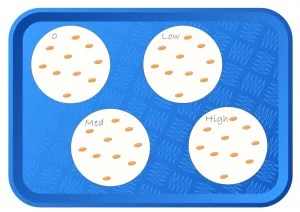
- Label 4 pieces of filter paper using a pencil (0, low, medium, high).
- Soak each piece of filter paper in the correct solution (0 salt, low salt, medium salt and high salt)
- Put the filter papers into a tray.
- Count 10 cress seeds onto each filter paper.
- Cover the tray tightly with clingfilm and sticky tape.
- Leave in the dark for 1 week!
Full method is laid out in lesson guidelines attached above
Images on this page by M Youri Alkayyis from Pixabay and OpenClipart-Vectors from Pixabay

This work is licensed under a Creative Commons Attribution 4.0 International License.

